 Scan to share
A Consensus Paper on Genetic Diversity Loss
The genetic variation that sustains adaptive potential of species on Earth is eroding. A distributed group of scientists is assembling the evidence and the policy levers, using a Delphi-style consensus.
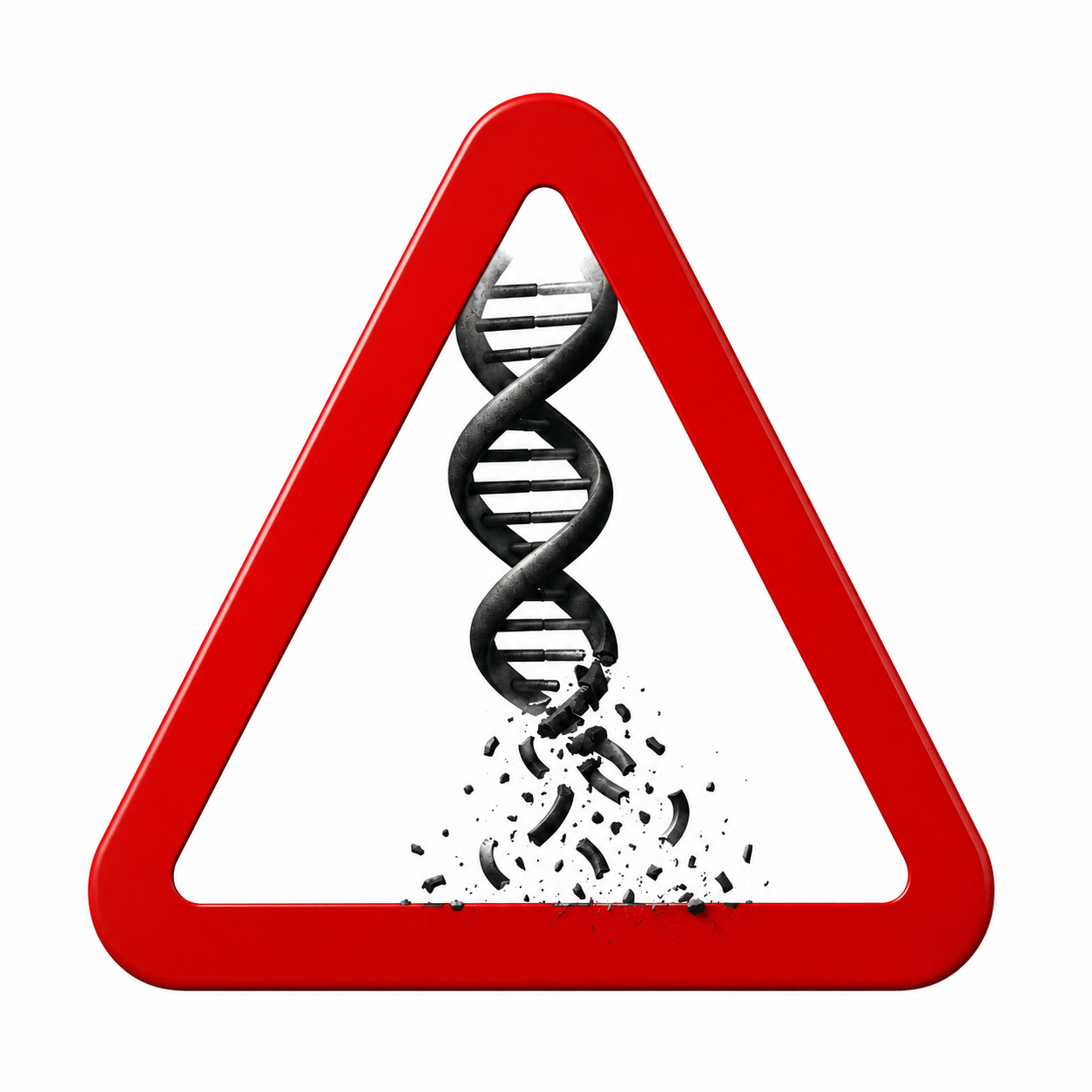
Genetic diversity is the raw material of evolution. It is what lets crops adapt to a hotter climate and lets wild populations recover from disease. It is being lost quietly, as DNA variation does not always produce visible differences — but we can measure it with DNA sequencing, and evolutionary theory connects this variation with population sizes, which are in sharp decline across plants and animals.
This consensus paper brings together a distributed group of scientists to (i) document different streams of data and (ii) establish the current consensus on data needs, signals of decline, and level of threat.
The paper is being built using a Delphi-style consensus process so that the final positions reflect the considered judgment of a broad community, not the narrow views of a single working group.
"Scientists' warnings" are consensus statements in which large groups of researchers come together to alert humanity and policymakers to an urgent environmental threat. The tradition began with the 1992 World Scientists' Warning to Humanity and was revived by Ripple et al. (2017), co-signed by over 15,000 scientists. Since then, dozens of domain-specific warnings have been published across biology, ecology, and medicine.
This warning on the loss of genetic diversity is one entry in that much larger series. To see the full collection and the movement behind it, visit scientistswarning.org.
The synopsis and live manuscript for co-authors and signatories.
Open →Who is contributing, how authorship is assigned, and how to join.
Open →Press releases, media coverage, and announcements.
Open →The Delphi consensus method behind the warning.
Open →A few emails a year — new documents, milestones, and calls to vote in our consensus polls.